Investment Proposal
Verlumn
A B2B environmental branding and architectural signage company, building complete identification systems for South Africa's premium commercial developments — not individual signs.
01 — The Opportunity
Why This Market Exists
Every building people navigate needs to be identified, wayfinding needs to work, and every brand needs to be reinforced in physical space. That need doesn't go away — it recurs with every new development.
A Growing Built Environment
South Africa's commercial developments, hospitality venues and estates are expanding — and every one of them needs identification and wayfinding.
A Genuine, Ongoing Need
Buildings without clear identification and wayfinding frustrate visitors, undermine brands and create compliance risk.
Recurring, Not Once-Off
New phases, refurbishments and rebrands mean one relationship generates work again and again, not just once.
02 — What We Do
What We Do
Eight core service lines, each delivered as part of a complete identification system — not sold as individual signs.
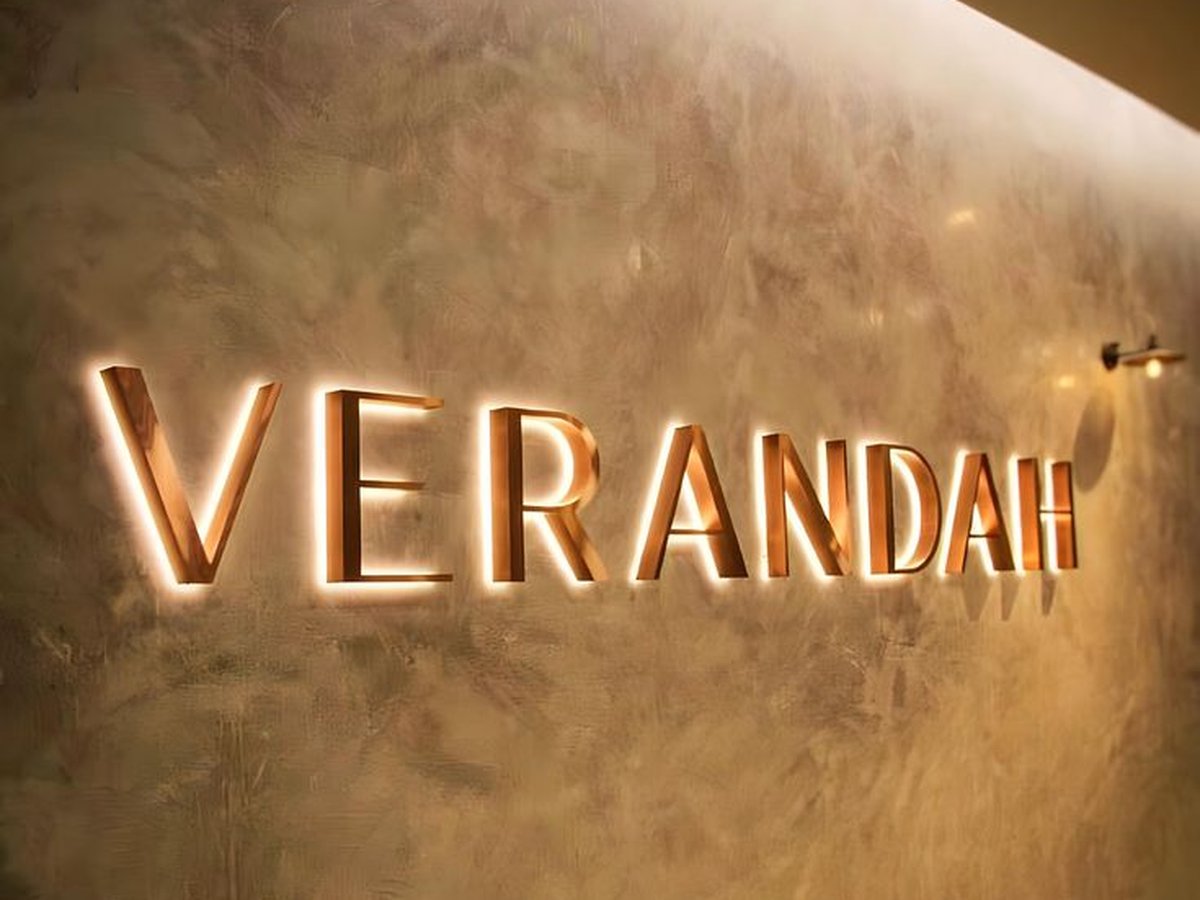
Environmental Branding
Reception areas, feature walls and office branding that reinforce identity throughout a space.
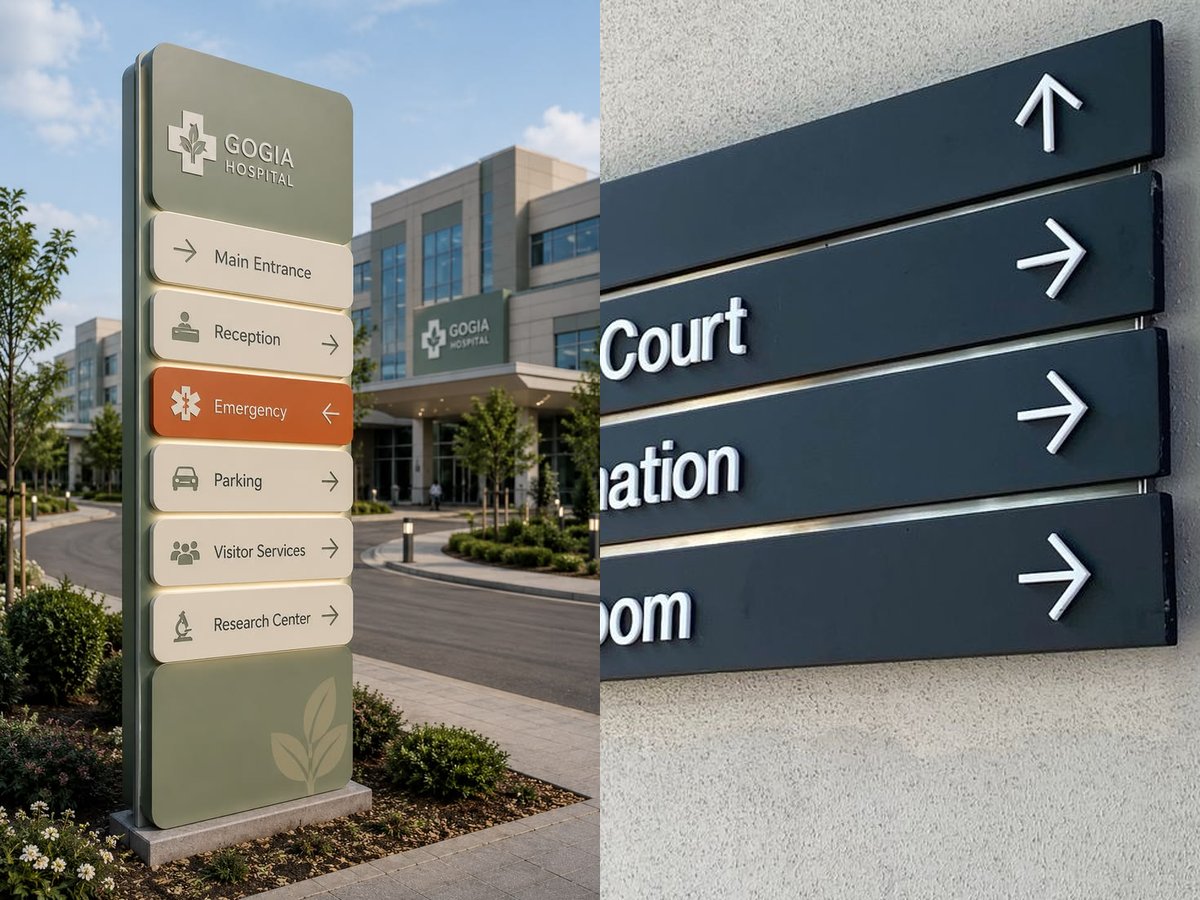
Wayfinding
Directories, directional signage and navigation systems for complex buildings and campuses.
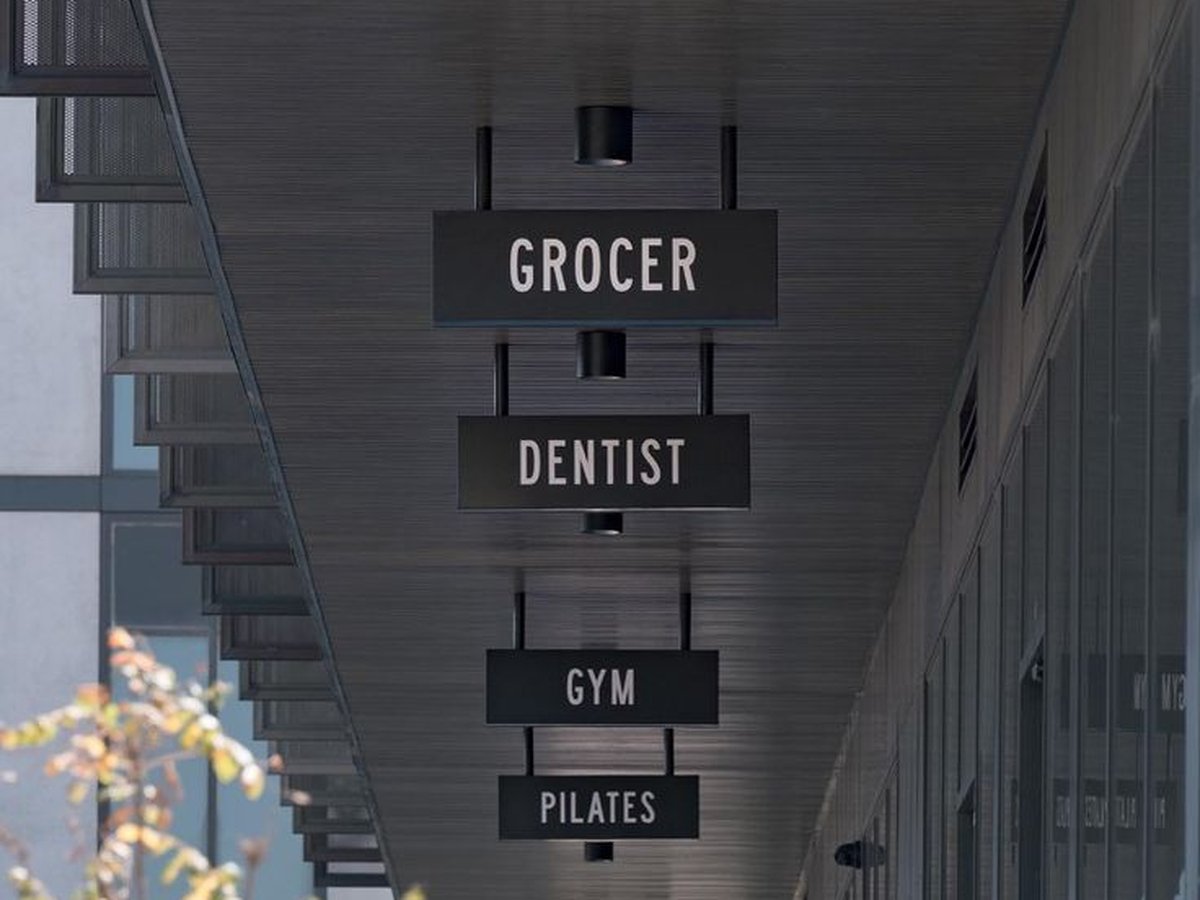
Architectural Signage
Building identification and structural signage integrated into architecture.
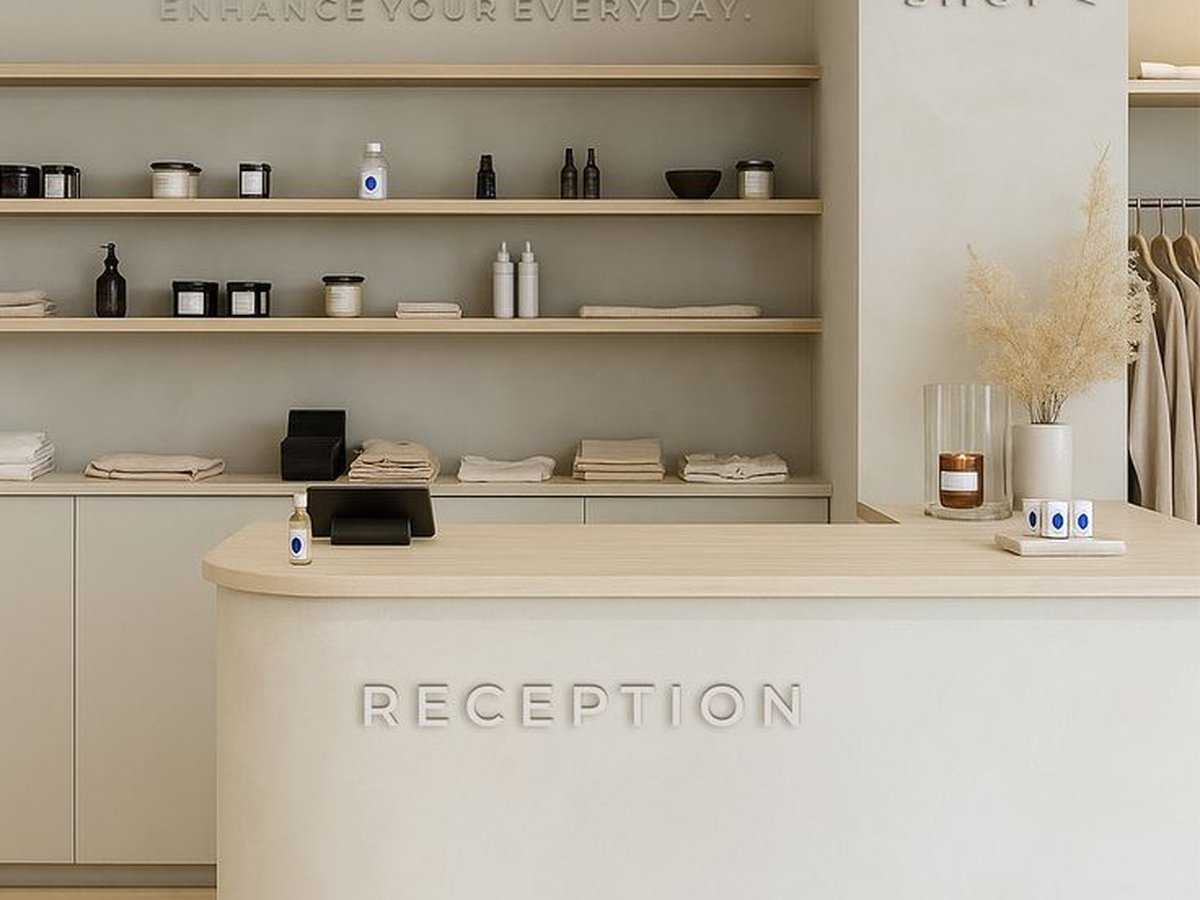
Reception Branding
Logos, directory boards and built-up lettering that make the right first impression.
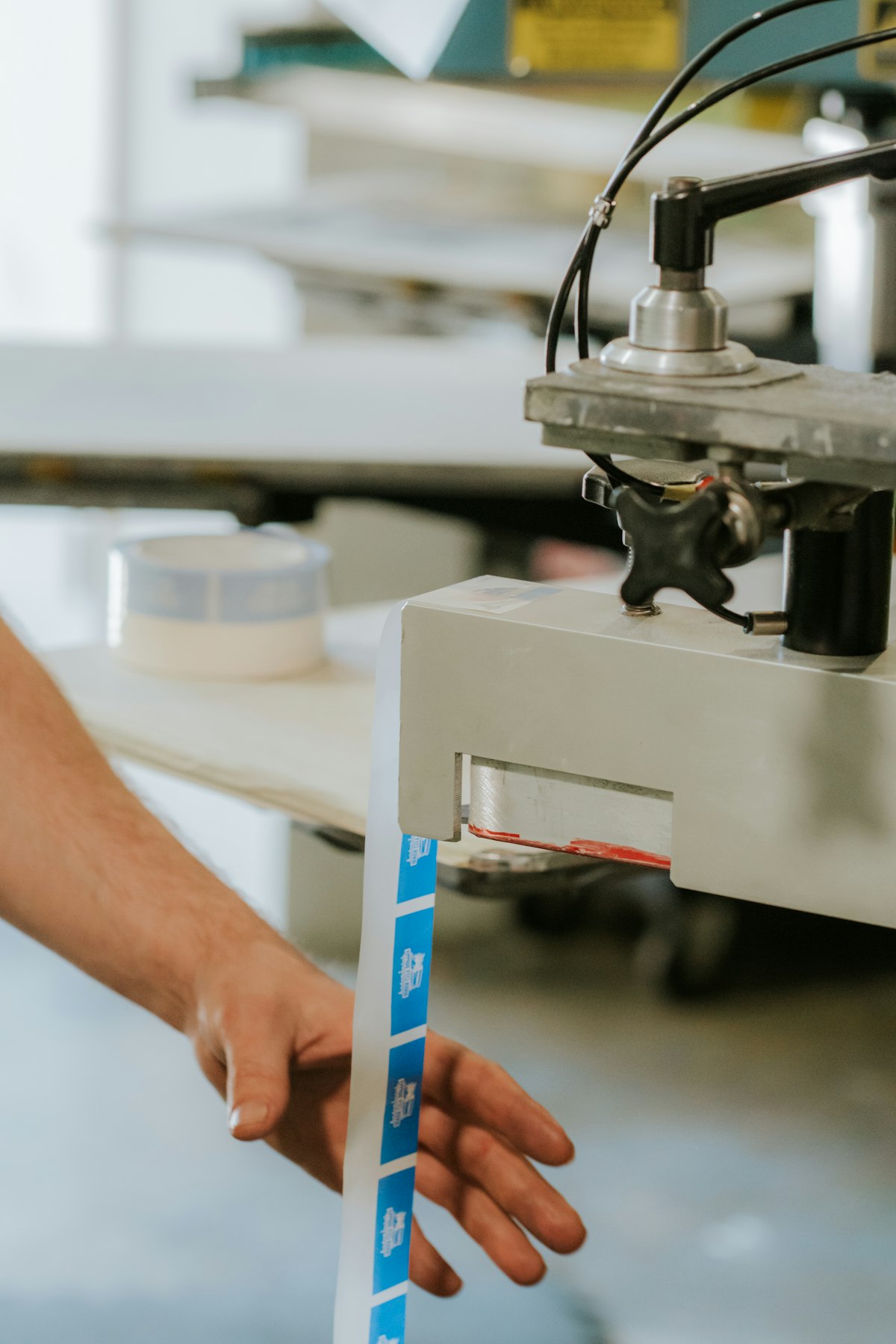
Asset Identification
QR plates, barcode labels and equipment identification for operational facilities.
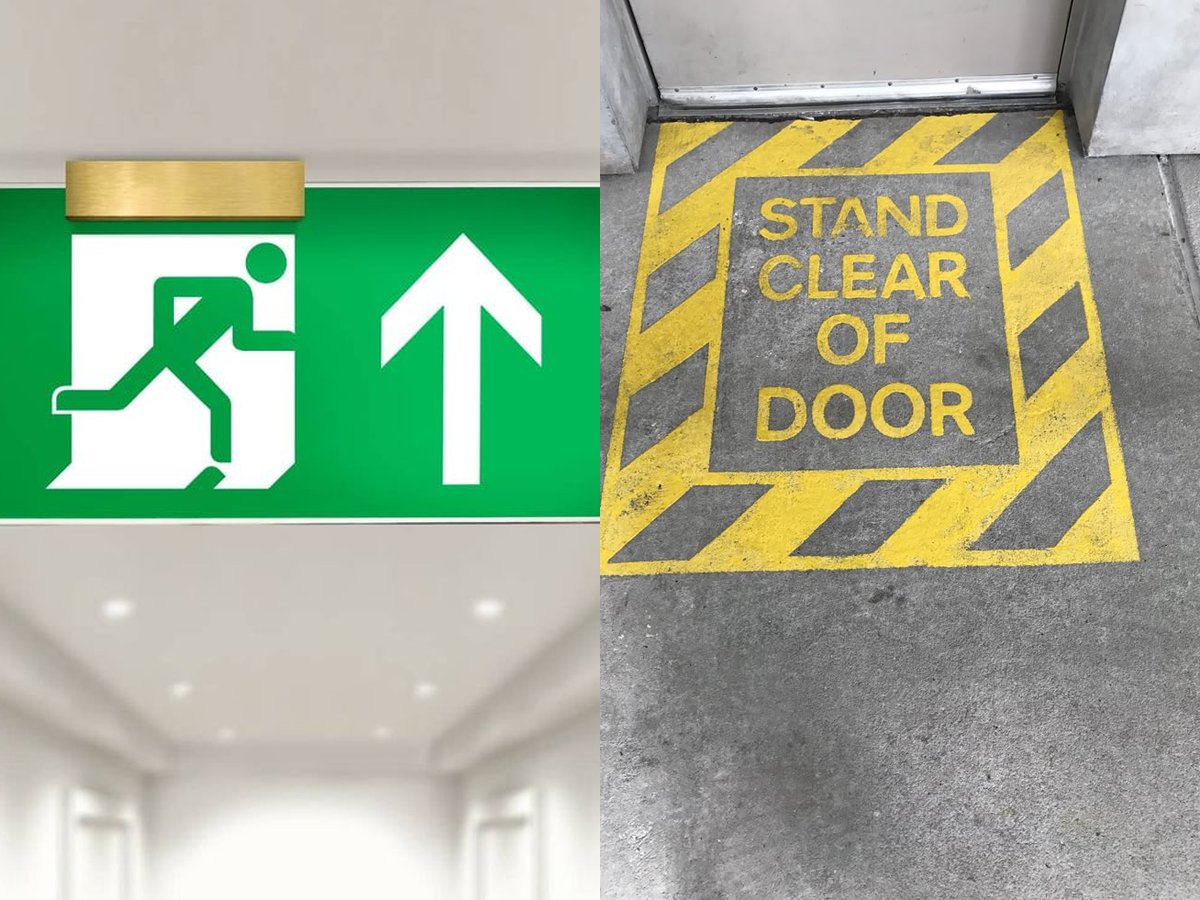
Compliance Signage
Fire, emergency and regulatory signage that meets safety standards.
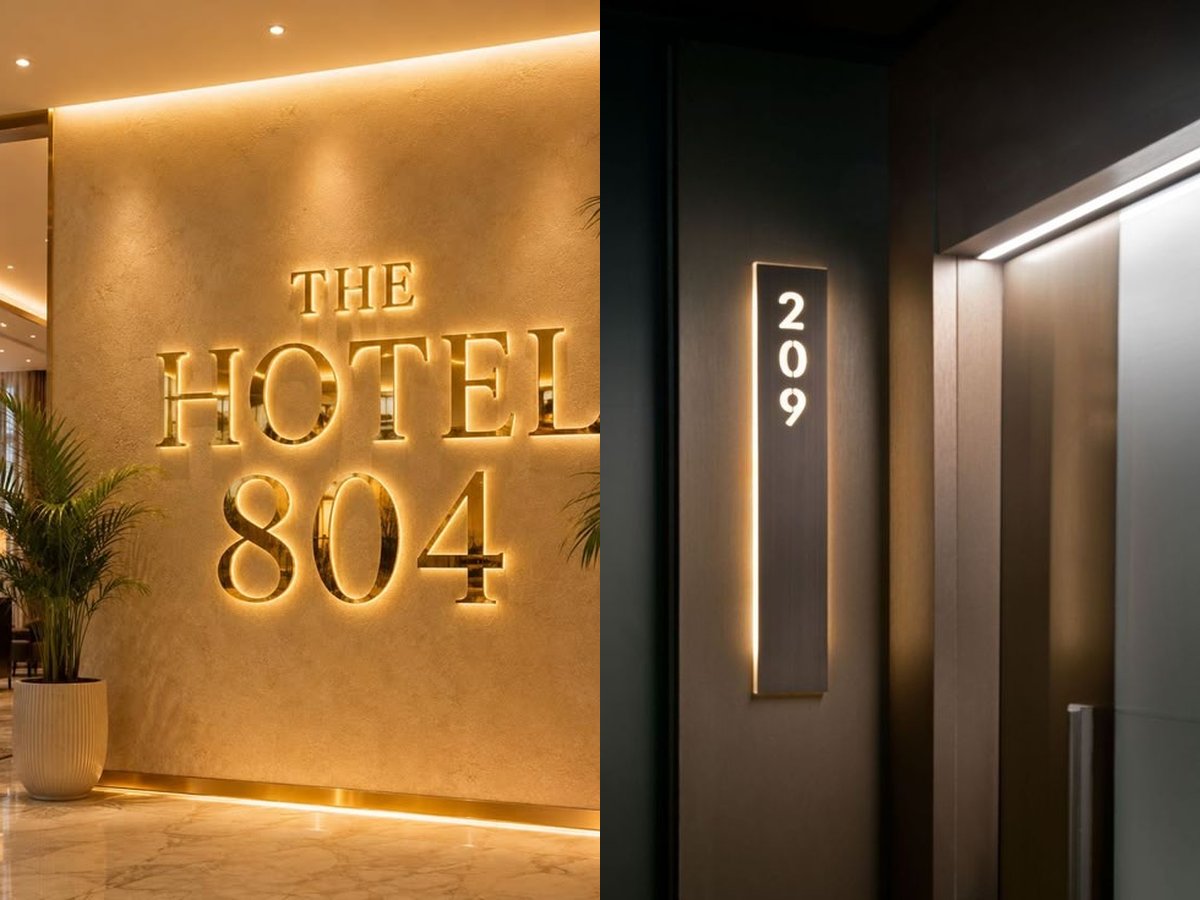
Hospitality Signage
Menus, table numbers and restaurant branding for hotels and hospitality venues.

Estate & Development Signage
House numbers, street signs and wayfinding for residential estates and developments.
03 — Who We Serve
Who We Serve
We target high-value commercial projects. We do not compete in promotional products or low-value engraving.
Commercial Property Developers
One partner for signage across every phase of a development, from sales office to completion.
Construction Companies
Site signage and building identification delivered on tight project timelines.
Architects
A fabrication partner that protects design intent from concept to installation.
Interior Designers
Branded elements built to match interior specifications precisely.
Property Managers
A dependable partner for ongoing signage maintenance and upgrades across a portfolio.
Hotels
Guest-facing signage systems that reinforce brand and improve navigation.
Hospitals
Compliant, clear wayfinding that supports patient experience and safety.
Schools & Universities
Durable, clear identification systems built for high-traffic campus environments.
Shopping Centres
Wayfinding and directories that guide visitors and support tenants.
Restaurant Groups
Menus, table numbers and branding that reinforce a restaurant's identity.
Residential Estates
Complete numbering and signage systems for entire communities.
04 — Why Verlumn
Why Verlumn
We're not selling signs. We're selling complete, coordinated identification systems.
Strategy-First Approach
We start with the client's brief, not with a catalogue of standard signs.
Premium Design
In-house design capability from initial concept through to final specification.
Manufacturing
Direct control over production quality, not just a resale of someone else's work.
Installation
We see every project through to a finished, installed result.
Complete Systems, Not Signs
Clients get one coordinated identification system, not a series of individual products.
Built-In Foundations
Design, branding and marketing already exist inside the business — see Founder Contributions below.
05 — Founder Contributions
Founder Contributions
These are already owned or provided by the founders — reducing the capital this investment needs to cover, before a single rand is spent.
None of these are startup expenses. They are founder contributions already in place — meaning the investment sought funds the business, not the foundations it stands on.
06 — Business Model
A Lean, Project-Based Business
Verlumn is intentionally launching as a lean, project-based business — not a factory.
Deposit-First Model
Wherever practical, clients pay a deposit before production begins. Those deposits fund project-specific materials, so cash is never tied up in unnecessary inventory.
Phase One Stock Discipline
We hold only enough stock to produce professional samples and complete small, urgent jobs. Larger material purchases happen only after confirmed customer orders.
Every purchase during Phase One must satisfy one rule:
It must either help us win work or deliver work. If it does neither, it is not purchased.
07 — Financial Opportunity
Financial Opportunity
How Verlumn makes money, what the business can realistically earn, and why this investment can generate long-term value — illustrated through example scenarios, not a detailed financial model.
Ownership & Founder Contributions
Before revenue — a partnership where each party contributes a different, equally valuable asset: equipment, expertise and capital.
Founder 1 — Operations & Production
- Existing CO₂ laser machine
- Existing production experience
- Workshop operations
- Manufacturing
- Quality control
The production equipment alone is a significant founder contribution — reducing the capital this investment needs to cover.
Founder 2 — Business Development & Creative
- Brand strategy & identity
- Website design & development
- Graphic design & photography
- Marketing
- Client acquisition & sales
- Project management
These professional services are founder-contributed and would otherwise be a substantial startup cost.
Investment Partner
- Launch capital
- Business growth funding
- Strategic guidance
- Financial oversight
Equipment, expertise and capital — three equally essential parts of the same partnership.
How Verlumn Generates Revenue
Revenue comes from complete commercial projects — not individual products.
The deposit-first model means cash is committed by the client before materials are purchased — reducing cash tied up in inventory.
Example Commercial Project Values
Illustrative Examples — Not Guaranteed Pricing| Project Type | Example Project Value |
|---|---|
| Office Reception Branding | R25,000 – R60,000 |
| Restaurant Signage Package | R20,000 – R50,000 |
| Hotel Room Signage Package | R40,000 – R120,000 |
| Estate Wayfinding System | R80,000 – R250,000 |
| Office Wayfinding & Directories | R40,000 – R150,000 |
| School Signage Package | R60,000 – R200,000 |
| Healthcare Wayfinding | R80,000 – R300,000 |
Actual contract values vary depending on project scope, quantities, materials and installation requirements.
Revenue Scenarios
Illustrative Planning Scenarios — Not Guaranteed ForecastsConservative Scenario
Monthly Revenue
R80,000 – R150,000
Annual Revenue
R960,000 – R1.8m
Expected Scenario
Monthly Revenue
R180,000 – R300,000
Annual Revenue
R2.2m – R3.6m
Growth Scenario
Monthly Revenue
R350,000 – R600,000
Annual Revenue
R4.2m – R7.2m
Bar length reflects each range's midpoint for visual comparison only — these are planning scenarios, not forecasts.
Revenue vs Profit
Revenue is not profit. Sustainable profitability comes from disciplined cost control, efficient production and consistent delivery.
Why This Business Can Scale
- Low fixed overheads in Phase One
- Founder expertise reduces startup costs
- Deposit-first model supports cash flow
- Commercial projects have higher average values than consumer work
- Repeat business and referrals can increase recurring revenue
- Growth is driven by demand rather than excessive upfront investment
08 — Growth Plan
Phase One — Launch
Validate the business, secure commercial clients, build recurring revenue and prove the model with disciplined spending.
08 — Growth Plan
Phase Two — Growth
Increase production capacity, employ additional staff, improve workflow and expand inventory only where justified by demand.
This phase is only funded once Phase One's milestones are achieved. Growth is earned, not assumed.
08 — Growth Plan
Phase Three — Expansion
Invest in additional equipment and larger premises only after sustainable commercial demand has been established.
09 — Startup Budget
Phase One Investment Budget
A disciplined, itemised launch budget. The total may be refined once supplier quotations have been finalised, but this represents a realistic launch budget.
| Category | Budget |
|---|---|
| Workshop Deposit (2 months) | R14,000 |
| Basic Workshop Improvements | R5,000 |
| Assembly Bench | R5,500 |
| Packing Bench | R3,500 |
| Steel Shelving | R4,500 |
| Lockable Tool Cabinet | R3,500 |
| Photography Corner | R3,000 |
| Essential Power & Hand Tools | R18,000 |
| Basic Safety Equipment | R2,500 |
| Initial Sample Materials | R15,000 |
| Packaging Materials | R2,500 |
| Professional Sample Book | R5,000 |
| Fuel & Client Development | R8,000 |
| Working Capital Reserve | R28,000 |
| Estimated Total | R118,500 |
Essential Tool Breakdown
| Tool | Budget |
|---|---|
| Cordless Drill Kit | R2,000 |
| Impact Driver | R2,000 |
| Angle Grinder | R1,500 |
| Orbital Sander | R1,500 |
| Heat Gun | R800 |
| Rivet Gun | R700 |
| Digital Vernier | R500 |
| Tape Measures | R300 |
| Squares & Rules | R500 |
| Clamps | R2,000 |
| Screwdrivers & Hand Tools | R2,000 |
| Drill Bits & Consumables | R2,200 |
| Total | R18,000 |
Initial Sample Materials
This budget is for creating professional samples and completing early projects — not for holding large amounts of stock.
| Material | Budget |
|---|---|
| Black Acrylic | R2,000 |
| White Acrylic | R2,000 |
| Clear Acrylic | R2,000 |
| MDF | R1,500 |
| Birch Plywood | R1,500 |
| Leather | R2,000 |
| Vinyl | R1,000 |
| Adhesives & Fixings | R3,000 |
| Total | R15,000 |
Speciality materials — mirror acrylic, coloured acrylic and aluminium composite panels — are purchased only once customer deposits have been received.
10 — Team Structure
Team Structure
Intentionally lean. Additional staff are only hired once recurring revenue justifies expansion.
Founder
Business Development, Sales, Design & Project Management.
Founder
Production & Operations.
Investor
Capital & Strategic Guidance.
Production & Installation Assistant
One hire — workshop production, packing and site support.
11 — Sales & Marketing Strategy
Sales & Marketing Strategy
Growth is relationship-driven, not advertising-driven.
Direct Relationships
Meetings, networking and professional presentations with developers, architects, interior designers, construction companies and property managers.
Commercial Referrals
Referrals from happy clients and industry partners compound over time.
Professional Sample Book
One of our strongest sales tools — showcasing materials, finishes and manufacturing capability.
Dedicated Photography Area
Documents completed work and continuously strengthens the portfolio.
"The objective is to sell confidence before selling products."
12 — Investment Summary
Investment Summary
A disciplined, low-risk ask — with growth earned in stages, not assumed upfront, backed by realistic revenue scenarios in Section 07.
Phase One Investment Sought
R118,500
A realistic, itemised launch budget — full breakdown in Section 08.
Objective
Prove the business model with minimal risk, spending only where it helps win work or deliver work.
Future Investment
Milestone-based. Phase Two and Phase Three proceed only once Phase One's objectives are achieved.
A disciplined, cash-conscious business built for sustainable long-term growth — not rapid expansion.